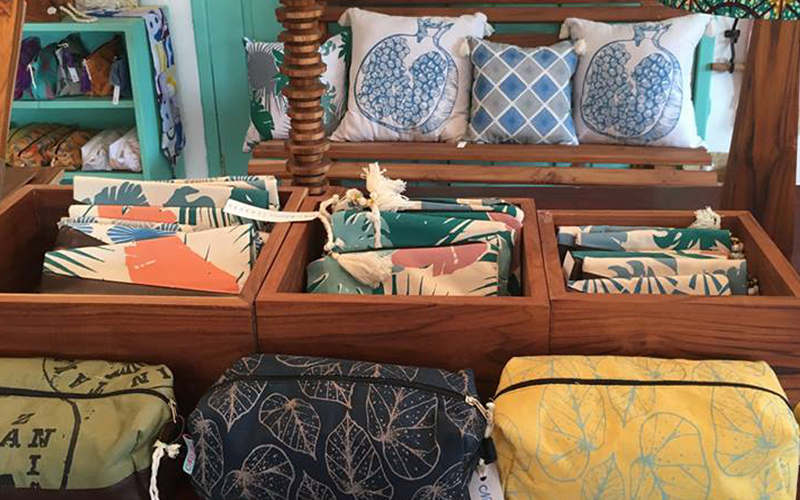
Tanzania is a country rich in cultural heritage and artistic traditions. From the intricate beadwork of the Maasai to the vibrant paintings of the Tingatinga artists, Tanzanian arts and crafts offer a fascinating insight into the country’s diverse ethnic cultures.
A cultural safari in Tanzania is an excellent way to explore this artistic heritage, providing opportunities to meet local artisans, watch traditional crafting techniques, and purchase unique handmade items.
This article delves into the world of Tanzanian arts and crafts, highlighting what you can expect on a cultural safari.
The Importance of Arts and Crafts in Tanzanian Culture
Arts and crafts hold a significant place in Tanzanian culture, serving not only as expressions of creativity but also as a means of preserving history and identity. Many crafts are tied to daily life and traditional ceremonies, reflecting the values, beliefs, and stories of different ethnic groups. For example, the Maasai beadwork is not just decorative but also signifies social status, age, and marital status.
Maasai Beadwork: A Symbol of Identity
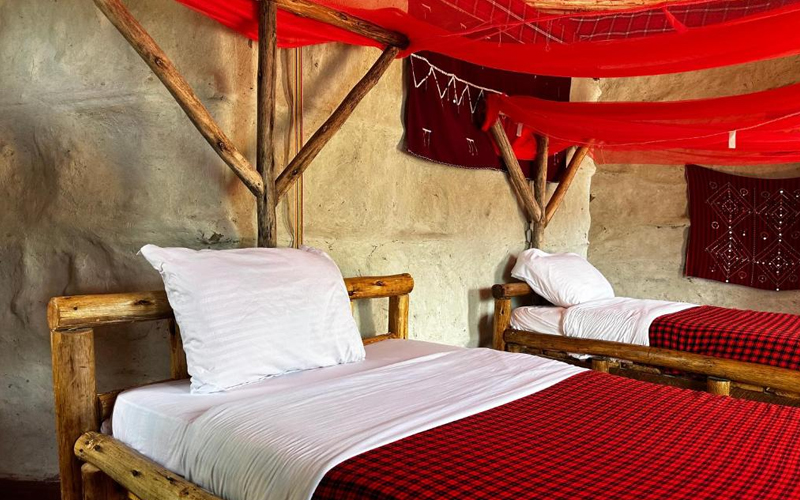
- Intricate Designs and Meanings: Maasai beadwork is renowned for its intricate designs and vibrant colors. Each piece of jewelry, from necklaces to bracelets, carries specific meanings and is worn to signify different life stages, achievements, and social roles. The color choices are symbolic: red for bravery, blue for the sky, and green for land.
- Crafting Techniques: On a cultural safari, you can visit Maasai villages and watch artisans at work. You’ll see how they skillfully string beads into elaborate patterns, a craft passed down through generations. Visitors often have the chance to create their own beadwork pieces under the guidance of experienced crafters.
Tingatinga Art: Vibrant and Expressive
- Origin and Style: Tingatinga art originated in Dar es Salaam in the 1960s, founded by Edward Said Tingatinga. This unique painting style is characterized by its bold colors, whimsical themes, and detailed patterns. Initially created on Masonite using bicycle paint, Tingatinga paintings have evolved but retain their distinct, playful style.
- Cultural Significance: Tingatinga paintings often depict everyday life, wildlife, and folklore, making them a vibrant representation of Tanzanian culture. Visiting Tingatinga art galleries and workshops allows you to meet the artists, learn about their inspirations, and even purchase original pieces as souvenirs.
Makonde Carvings: Masterpieces in Ebony
- Wood Carving Traditions: The Makonde people of southern Tanzania are famous for their intricate wood carvings, particularly in ebony. These carvings range from abstract forms to detailed representations of people and animals, often depicting themes of family, community, and mythology.
- Sculpting Techniques: Watching Makonde artisans at work is a highlight of any cultural safari. You’ll observe their meticulous process, from selecting the wood to the final polish. The high level of skill and creativity involved in Makonde carving makes each piece a unique work of art.
The Art of Basket Weaving
- Everyday Utility and Aesthetic Appeal: Basket weaving is a widespread craft in Tanzania, practiced by various ethnic groups. These baskets, made from local materials like sisal, palm leaves, and grasses, serve practical purposes in daily life. They are used for carrying goods, storing food, and even as decorative items.
- Weaving Techniques: Visitors can learn about the different weaving techniques and patterns specific to each community. Participating in a weaving workshop offers a hands-on experience and a deeper appreciation of this traditional craft.
Zanzibar Crafts: A Fusion of Cultures
- Spice Island Inspirations: Zanzibar, with its rich history as a trading hub, offers a unique blend of African, Arab, and Indian influences in its arts and crafts. From intricate wooden carvings to handwoven textiles, the island’s crafts reflect its diverse cultural heritage.
- Exploring Local Markets: A visit to Zanzibar’s bustling markets, like Darajani and Forodhani, is a must. Here, you can find beautifully crafted items such as hand-painted kangas, brass jewelry, and ornate wooden chests. Interacting with local vendors provides insight into the stories behind these crafts.
The Role of Craft Fairs and Markets
- Showcasing Artisans’ Work: Craft fairs and markets are vital for promoting Tanzanian arts and crafts. Events like the Bagamoyo Arts Festival and the Swahili Fashion Week offer platforms for artisans to showcase their work, network with other artists, and reach broader audiences.
- Supporting Local Economies: Purchasing crafts directly from artisans and at these fairs supports local economies and helps preserve traditional skills. It also ensures that more of the profit goes directly to the creators, promoting sustainable tourism.
The Future of Tanzanian Arts and Crafts
Popular Cultural Tours
Must see / Visit / Experience.
No Results
There are no listings matching your search.
Try changing your search filters or Reset Filter